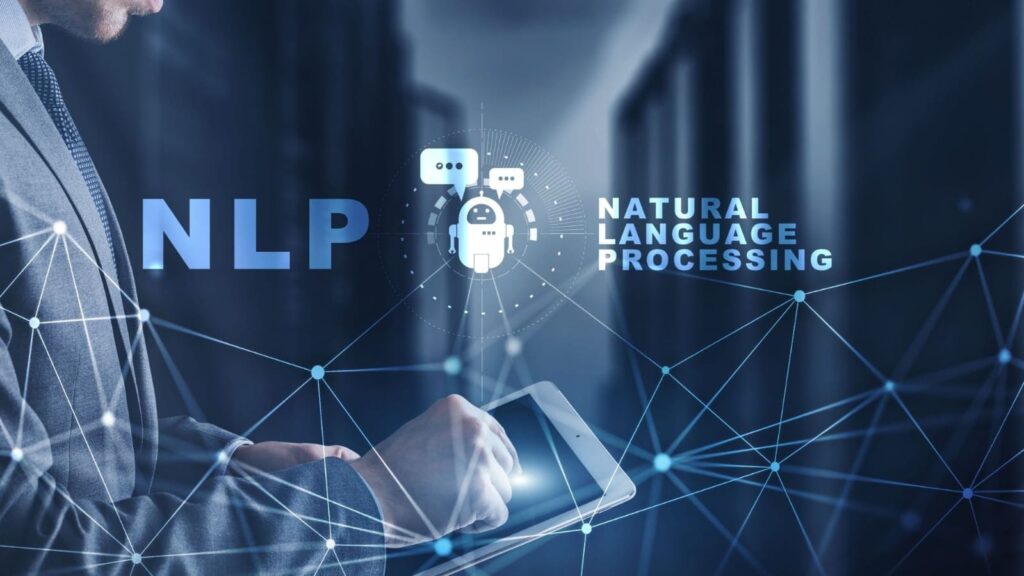
Enterprises often build NLP features repeatedly across CRM tools, chatbot platforms, compliance workflows, and support products. This creates duplicated effort, inconsistent outputs, and fragmented governance. NLP webservice solves that by exposing common language intelligence through centralized, well-documented APIs that any product team can integrate quickly.
A practical business case is an organization that needs sentiment analysis, entity extraction, and classification in several applications simultaneously. Instead of embedding different models into each codebase, teams consume a unified service with consistent contracts and response semantics. This improves maintainability and makes model upgrades easier because improvements happen once at the service layer and propagate everywhere.
Operationally, NLP webservice can include request throttling, authentication, multilingual model routing, versioned endpoints, and usage analytics by client application. This enables both cost control and clear ownership boundaries. Governance teams also benefit from standardized auditability and policy enforcement around text processing. The broader impact is faster feature rollout across the portfolio and reduced technical debt. NLP webservice fits enterprises that want language AI to be a shared platform capability, not a scattered set of one-off implementations.
Conclusion:
NLP webservice turns language AI into a reusable enterprise service. With centralized model governance, versioned APIs, and multi-application consumption patterns, it removes duplication and speeds rollout of NLP-driven features. Teams deliver consistent user experiences while maintaining stronger operational control and lower maintenance overhead.